Column · @bestlunch582
Celebrating Community at Our Local Family Pizza Restaurant in Moorpark
A good pizza place does more than feed people. In a town like Moorpark, where routines still matter and familiar faces are part of the rhythm of the week, a neighborhood restaurant can become a place where small moments stack up into something bigger. Parents drop in after soccer practice, grandparents bring the grandkids for an easy dinner, and friends meet over a table full of slices without needing an occasion more formal than “we should catch up.”
That is the role a local family pizza restaurant can play when it is rooted in the community rather than just parked inside it. The difference shows up in the details. It shows up in how the staff remembers which kid likes plain cheese, how a regular order gets started before the customer finishes speaking, and how the dining room fills with the kind of conversations that do not belong Margherita pizza to one family alone. A family owned pizzeria in Moorpark is not just competing on crust, sauce, or toppings, although those matter. It is also offering consistency, familiarity, and a place where community feels easy to access.
What a neighborhood pizza restaurant really means
People sometimes use “local” as a marketing word, but in practice it means something more demanding. A locally owned pizza place has to earn trust one visit at a time. There is no distant brand reputation to lean on when a pie comes out too dark, when a pickup order is running late, or when a new family is trying the place for the first time. Everything is personal, and that is exactly why people return.
In Moorpark, that personal quality matters. Families here often juggle school schedules, work commutes, sports, errands, and the usual unpredictability that comes with modern life. A community pizza spot becomes valuable because it solves a practical problem with very little friction. Pizza travels well. It works for a table of mixed appetites. It can be casual enough for a weeknight but still feel like a treat. Few foods bridge those gaps as reliably.
The best part is that a neighborhood pizza shop often reflects the town around it. The menu may change over time, the walls may pick up photos or local memorabilia, and the regulars become part of the atmosphere. A place like that does not just serve Moorpark, it learns Moorpark. That learning is subtle, but it shapes everything from timing to portion sizes to the way the staff handles busy nights.
The family-owned difference
There is a distinct energy inside a family owned pizzeria Moorpark residents tend to notice once they have visited a few times. The standards are usually tighter because the people making decisions are also the people living with those decisions. A family business cannot hide poor ingredients behind a corporate playbook. If the sauce is off, if the crust lacks character, if the kitchen loses its sense of pace during a rush, the owners hear about it directly, often from people they know by name.
That accountability often leads to better judgment. Family operators tend to think in years rather than quarters. They care about whether a recipe can hold up on a Friday night, whether the staff can execute it consistently, and whether the place still feels welcoming when the dining room is packed with birthday balloons and youth team jerseys. There is a long memory involved, too. Recipes are refined over time, and habits are built from repetition. A family business can afford to be patient where larger operations often chase novelty.
The emotional texture matters as well. In a family-run restaurant, people can feel the difference between genuine hospitality and trained script. The greeting at the counter may be brief, but it should feel attentive. A server may know which table is waiting for takeout, who asked for extra napkins last time, and which family likes their pizza cut into smaller slices for younger kids. Those touches are small, but they are not accidental. They are what make a place feel lived in.
Why pizza fits Moorpark so well
Pizza works in Moorpark because the town itself has a practical, family-centered pace. People want food that fits around activities, not food that demands the evening reorganize itself around dinner. A pizza order can be a quick solution after a late practice or a simple centerpiece for a birthday gathering at home. It also works for the hard-to-please crowd, which every parent knows is not a theoretical challenge.
There is also a social reason pizza fits so well here. It is naturally shared. Unlike meals that arrive as isolated plates, pizza gets placed in the center of the table and invites people to reach, compare, and talk. That shared format turns dinner into a small event. A community pizza spot understands that function and builds around it. The room should be comfortable for a lingering meal, but it should also move efficiently when families are in a hurry.
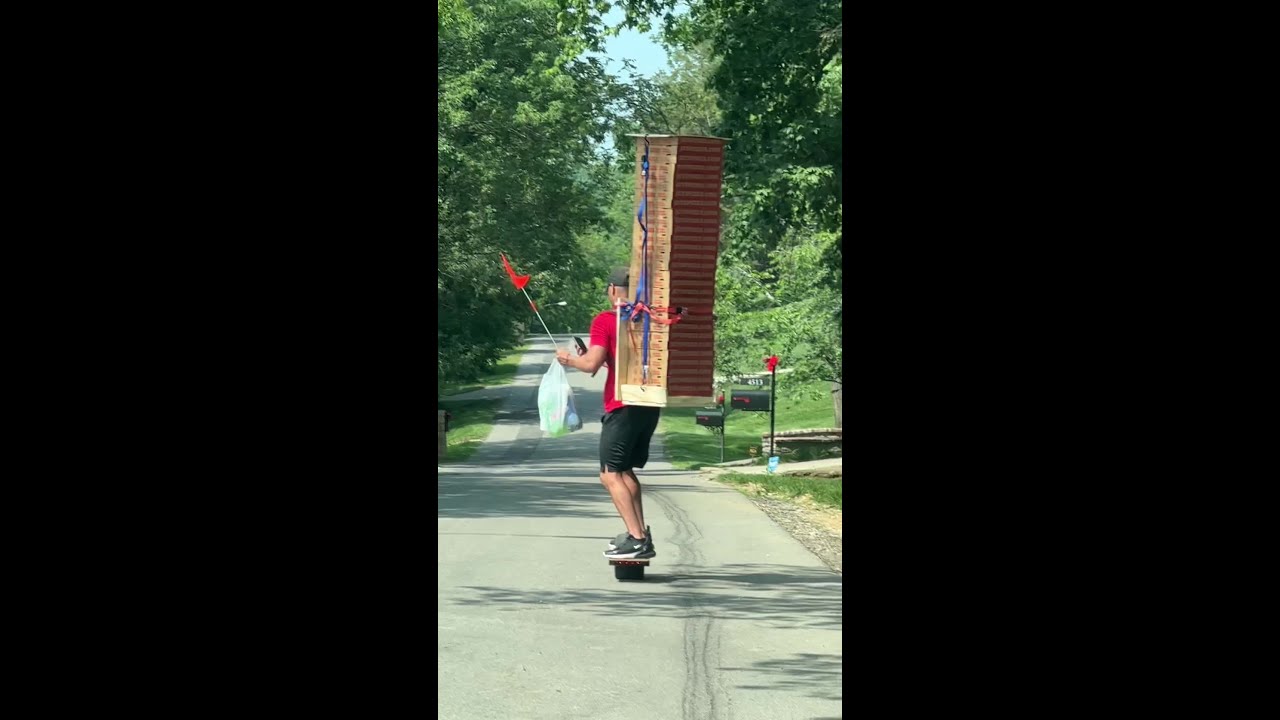
Good pizza restaurants in suburban communities often become the backup plan that turns out to be the best plan. A canceled cooking night. A game that ran late. A last-minute visit from relatives. A locally owned pizza place can take those moments and make them feel less like compromises and more like reasonable, even enjoyable, decisions. That is no small thing.
The craft behind a reliable pie
People talk about pizza as if it is simple, and in one sense it is. Dough, sauce, cheese, heat. But anyone who has worked around pizza long enough knows how many chances there are for a pie to go wrong. The dough can overproof, the sauce can run too sweet or too thin, the cheese can scorch before the center sets, and the toppings can slide into chaos if the ratios are off. Consistency is difficult, especially when volume rises.
That is why the best local family pizza restaurant often spends so much effort on fundamentals. The crust has to perform well in the oven and still hold up on the plate. It should have enough structure for a proper fold or bite, depending on style, while still offering the kind of texture people remember the next day. Sauce should taste balanced, not heavy-handed, and toppings should support the pizza rather than bury it. When these parts work together, the pie feels generous without becoming sloppy.
In a busy service environment, craft also means timing. A restaurant that handles dine-in, takeout, and delivery has to organize the flow carefully. One late order can affect the next several. The kitchen has to prioritize without making the dining room feel neglected. These are the invisible disciplines that separate a merely adequate pizza shop from the places people recommend without hesitation.
And, frankly, families notice. They may not describe the crumb structure or the hydration level of the dough, but they know when a pizza feels balanced. They know when the cheese has flavor rather than just fat. They know when the crust carries the toppings instead of collapsing under them. Practical diners are often the best critics because they are not grading on novelty. They are grading on whether the food is worth repeating.
The restaurant as a gathering place
A community pizza spot does more than fill a stomach. It creates repeatable rituals. Some families stop in after youth sports. Some come every Friday because nobody wants to cook at the end of the week. Some choose the restaurant for birthday dinners because it is informal enough for kids and comfortable enough for adults. Those patterns matter because they shape the social life of a town.
The restaurant becomes a meeting point for people who might not otherwise cross paths. A coach sits near a young couple. A group of neighbors compares notes on school events. A grandparent chats with another grandparent about what used to occupy this corner of town years ago. These are ordinary exchanges, but ordinary is exactly what makes them valuable. They build the feeling that local life is connected rather than scattered.
There is a reason some of the best conversations happen over pizza instead of at more formal meals. The food lowers the pressure. Nobody has to dress up, and nobody has to pretend dinner is a performance. That relaxed atmosphere gives people room to be themselves, which is a rare and useful thing. A locally owned pizza place that understands this does not just serve the meal, it supports the social architecture around it.
Community shows up in the small details
If you want to know whether a restaurant is truly part of its town, pay attention to what happens when things are not perfect. Does the staff recover calmly when a pickup order gets delayed? Does the room still feel welcoming on a packed Friday night? Do the owners seem interested in the people coming through the door, not just the transaction?
Community loyalty is built in those moments. It is not only about sponsoring a little league team or hanging a flyer on the wall, though those gestures matter. It is also about the everyday interactions that happen when the restaurant is under normal pressure. A parent with two tired kids remembers the place that brought extra napkins without being asked. A regular remembers the owner checking in after a family loss. A teenager remembers being treated with the same courtesy as a table of adults.
These details accumulate into reputation, and reputation in a town like Moorpark travels fast. People trust what their neighbors say because their neighbors have probably tested the place in the same kinds of situations they will face. That word of mouth is stronger than any polished slogan. It belongs to experience.
A restaurant should respect the realities of family life
The best family-friendly restaurants understand that family life is not neat. Dinner may start late. One child may be exhausted. Another may only want one kind of topping forever. Someone will probably forget to mention they want extra sauce until the pizza is already on the way. A good local family pizza restaurant does not treat that chaos as an inconvenience. It treats it as the normal shape of its customer base.
That mindset shapes how the place operates. The ordering process needs to be clear. Pickup should be efficient. The menu should offer enough flexibility to handle picky eaters without making every order a negotiation. Seating should feel practical, and the atmosphere should allow conversation without forcing everyone to shout over the room. These are not luxuries. They are the features that make a restaurant usable for the people it is supposed to serve.
It is also worth saying that family-friendly does not have to mean bland or generic. A community pizza spot can still have strong opinions about dough, seasoning, and oven heat. It can still serve pies with personality. The point is not to flatten the food into the lowest common denominator. The point is to make good food available in a setting where different ages, schedules, and tastes can all fit at the same table.
Loyalty is built with repetition, not advertising
Restaurants often talk about loyalty as if it can be bought with a punch card or a special offer. Those tools can help, but they are not what builds real attachment. People stay loyal to a locally owned pizza place when it keeps delivering the same positive experience in slightly different circumstances. A quiet Tuesday lunch. A packed Friday night. A large order for a school event. A quick stop for two slices and a soda before heading home.
That repetition creates trust. Customers do not have to wonder whether the pie will be good this time. They already know. They do not have to gamble on whether the staff will remember the details. They have seen it happen before. This reliability matters more than people often admit, especially when they are planning around children, guests, or a long day that has already taken more out of them than expected.
A family owned pizzeria Moorpark residents come back to repeatedly is often the one that understands this simplest truth: people remember how a place makes life easier. Not every visit has to be memorable in a dramatic sense. Most visits should be comfortably ordinary. That is the real measure of a dependable neighborhood restaurant.
Supporting the place that supports the town
Choosing a local family pizza restaurant is not a grand civic gesture, but it is a meaningful one. Money spent locally tends to circulate locally. Staff members live nearby. Supplier relationships are often more personal. The owners are part of the same local rhythms as their customers. When a restaurant thrives, the benefits do not stop at the front door.
There is also cultural value in keeping these places strong. Towns lose something when every meal feels interchangeable with every other meal from every other zip code. Local restaurants preserve a sense of place. They give a community its own flavor, literally and socially. A pizza shop that has adapted to Moorpark over time helps anchor that identity.
Still, supporting local business is not only about principle. It is about preference. Many people choose a community pizza spot because it simply feels better. The food is familiar but not generic. The service is personal without being intrusive. The room feels like a place where you are expected to return. That combination is hard to replace.
What regulars notice first
Regulars often notice the things casual visitors miss. They know when the crust has that particular balance of chew and crispness. They know whether the cheese browns evenly. They know how long a busy night usually takes and whether the staff handles the pressure with grace. They also notice the tone of the place, which can change a restaurant’s entire value.
A good locally owned pizza place is rarely trying to impress everyone all at once. It is trying to satisfy the people who live nearby and will come back next week, next month, and next season. That means taking quality seriously without becoming rigid. It means allowing the restaurant to have character without letting the character become chaos. That balance is one of the hardest parts of running any dining room well.
And when it works, people feel it immediately. A family walks in and relaxes. A parent lets the shoulders drop. Kids get excited because they know what is coming. The meal begins before the first slice is served because the place itself has already done part of the work.
Why celebrations feel different here
Celebrations at a community pizza spot have a different texture than formal dining out. They are less rehearsed and often more genuine. A birthday dinner at a family owned pizzeria Moorpark families trust does not need elaborate table settings to feel special. A large pizza, a few favorite sides, and a room full of familiar faces can do the job beautifully.
That is one reason pizza restaurants often sit at the center of local memory. They become the site of first job celebrations, team wins, casual reunions, and those low-key family milestones that never make a photo album but matter deeply anyway. The food becomes part of the memory because the setting lets people be fully themselves.
Some of the best community restaurants understand that they are hosting more than dinner. They are hosting a version of home that happens to come with a menu. When a place can do that well, it earns something more durable than a transaction. It earns affection.
The value of staying local
A community is built through repeated choices. Where people shop, where they eat, where they gather after a long week, those decisions shape the character of a town as surely as any development plan or community meeting. Choosing a local family pizza restaurant is one of the easier ways to invest in that character.
The food should be good, of course. That is the baseline. But the deeper reason people keep returning to a locally owned pizza place is the feeling that their visit matters. Not in some grand abstract sense, but in a practical human one. They are seen. Their preferences are remembered. Their families are welcome. Their weekly routines become part of a shared local story.
That is what makes a place more than a restaurant. It becomes a dependable part of life in Moorpark, a spot where the town gathers around a table and keeps building the small, steady relationships that make a community feel like one.